

The Computing subject leader is Mrs Rogerson
Email address:
enquiries@admin.athertonsacredheart.wigan.sch.uk
Computing Curriculum Intent
Through our computing curriculum at Sacred Heart, we aim to give our pupils the life-skills that will enable them to embrace and utilise new technology in a socially responsible and safe way. We want our pupils to flourish and develop ‘thinkers of the future’ through a relevant computing education. We want our children to be able to operate in the 21st century workplace and will be aware of the career opportunities that will be open to them if they study computing. Children are to become autonomous, independent users of computing technologies, gaining confidence and enjoyment from their activities. Developing opportunities to develop what they have learnt in computing lessons in the wider curriculum. We want the use of technology to support learning across the entire curriculum and to ensure that our curriculum is always accessible to every child. Not only do we want our pupils to be digitally literate and competent end-users of technology but through our computer science lessons we want them to develop creativity, resilience and critical thinking skills. We want our children to have a breadth of experience to develop their understanding of themselves as individuals within their community but also as members of a wider global community and as responsible digital citizens.
Spiritual Development
Computing supports spiritual development by looking at how ICT can bring rapid benefits to discussions and tolerance to an individual’s beliefs. However, children are also exposed to the limitations and abuse of the internet where they question and justify the aims, values and principles of their own and others’ belief.
Moral Development
Computing supports moral development by looking at how ICT developments have had an impact on the environment as technology has meant that old ways of working have been changed to help the environment- ‘made greener’. Computing will develop an understanding of the consequences of their behaviour and actions
Social Development
Computing supports social development by allowing children to use a range of social skills in different contexts, for example working with other pupils as well as practical tasks. Children are required to understand about social media and the advantages these sites have brought as well as the numerous problems such as cyber bullying. These discussions help children to develop respect for one another both online and in person.
Cultural Development
Computing supports cultural development and how the development in technology has impacted different cultures and backgrounds in different ways. More developed countries are able to keep pace with the developments in technology whilst less developed ones can’t.
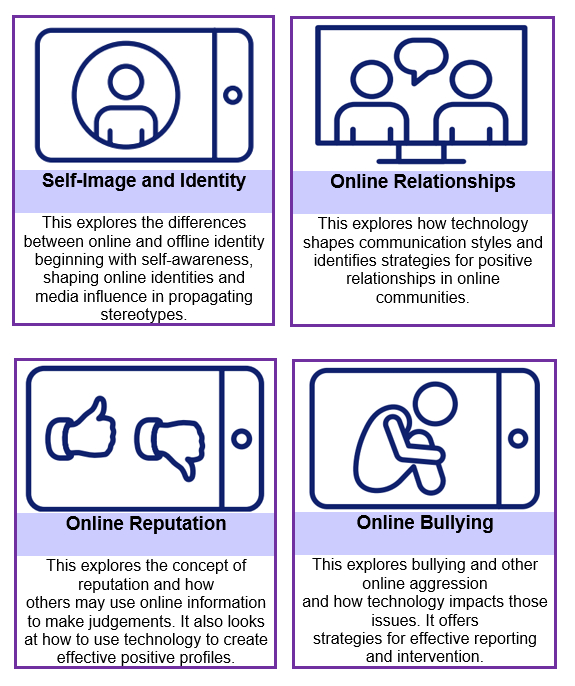
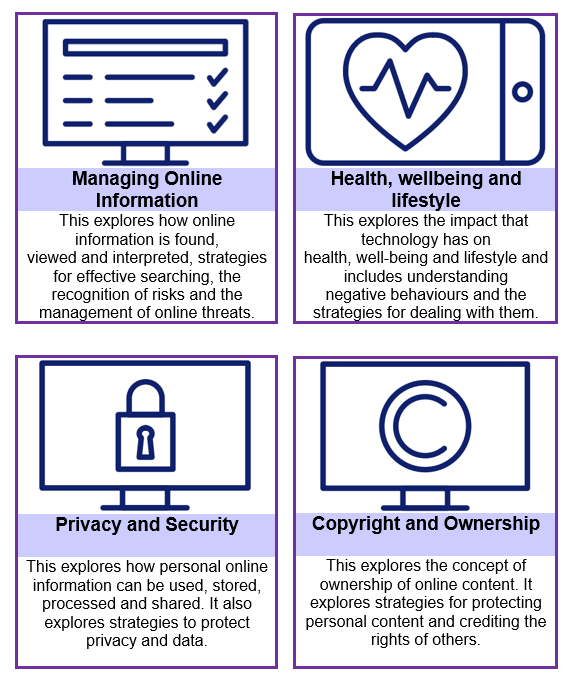
Our young people are growing up in a digital world. As they grow older, we believe it is crucial that they learn to balance the benefits offered by technology with a critical awareness of their own and others online behaviour. At Sacred Heart, we believe that safeguarding our children is a priority and as such, we help them to develop effective strategies for staying safe online and understanding how to make their own positive contributions to the online world.
Our teaching of Online Safety is taught alongside our computing curriculum and is supported through a nationwide programme, Project Evolve.
At the start of each half term, we cover one/two of the 8 strands and carry out activities, discussion and role play to help create more meaningful conversations; that encourage reflection and generate positive outcomes.

A big thank you to our Digital Leaders who helped Mrs Rogerson lead the whole school Safer Internet assembly on Monday 9th February 2026.
The theme this year is ‘ Smart teach, safe choices- Exploring the safe and responsible use of AI.‘ During the week of 9th to 13th February , each class took part in activities to find out how to use A.I respectfully, responsibly and recognise unacceptable behaviour.
National Curriculum
- Think U Know Guide For Parents And Carers of children aged 4 – 7 years
- National Online Safety – What Parents Need To Know About Protecting Personal Data
- National Online Safety – What Parents Need To Know About Tik Tok
- National Online Safety – What Parents Need To Know About Screen Addiction
- Parenting In A Digital Worldonline
- Supporting Young People Online
- Education For A Connected World Whole School Map
- Fortnite Information for Parents
- Sadfishing
For the documents below, don’t forget to check the Age-rating for each app/social media site.